
Call Tracking That Shows What Happens After the Call
Most businesses know calls are coming in — but few know which calls matter. Call tracking turns every inbound call into measurable data, showing where calls come from, how conversations perform, and which calls actually convert into real opportunities.
Instead of relying on assumptions or incomplete notes, call tracking gives clear visibility into call activity so decisions are based on evidence, not guesswork.
When Calls Happen, Insight Is Usually Lost
Phone calls are one of the strongest buying signals a business can receive. Someone calling is usually ready to ask, book, or decide. Yet in most businesses, calls are the least understood part of the customer journey.
Calls are answered, missed, or returned, but once the conversation ends, very little is captured. Teams often don’t know where the call came from, what was discussed, or whether it led to a real outcome. As call volume grows, this lack of visibility becomes a serious problem.
Marketing teams struggle to understand which campaigns drive meaningful calls. Sales teams rely on memory to recall what was said. Managers can’t clearly see which conversations turn into revenue and which don’t. The result is decision-making based on assumptions instead of evidence.
Without structured call tracking, valuable conversations disappear the moment the call ends — taking insight, accountability, and improvement opportunities with them.
Turning Conversations Into Measurable Activity
Call tracking changes how businesses treat phone conversations. Instead of viewing calls as one-off events, each call becomes a trackable interaction that can be reviewed, measured, and acted on.
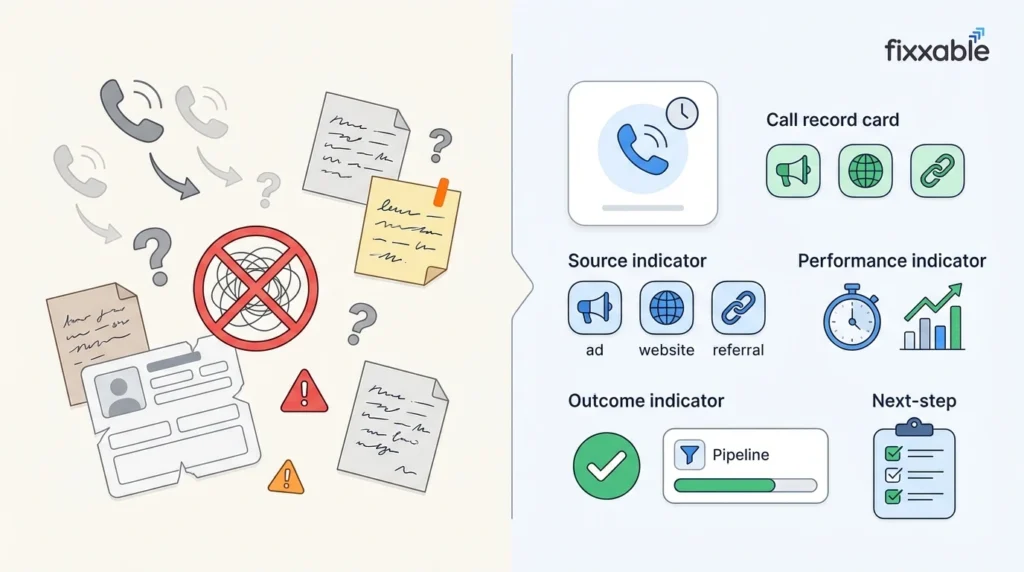
Every inbound call is captured automatically and connected to meaningful context such as timing, source, and outcome. This allows teams to see not just that a call happened, but why it happened and what came from it.
Over time, patterns begin to emerge. Businesses can see which channels produce quality calls, which conversations convert, and where responses break down. This creates a feedback loop where call handling improves based on real data rather than guesswork.
By making calls visible within daily workflows, call tracking supports clearer follow-up, better decisions, and more consistent results across teams.
Why Call Tracking Changes How Teams Handle Calls
Call tracking isn’t just about recording calls. It changes how teams understand conversations, prioritise follow-up, and improve results over time.
Clear Visibility Into Call Sources
Instead of guessing which channels generate phone enquiries, teams can clearly see what drives calls and which sources consistently produce meaningful conversations.
Better Conversation Quality Over Time
By reviewing real calls, teams identify patterns in how enquiries are handled, leading to clearer messaging and more confident responses.
Smarter Follow-Up Decisions
Call tracking helps teams distinguish between high-intent calls and low-value enquiries, so attention is focused where it matters most.
Measurable Performance Instead of Assumptions
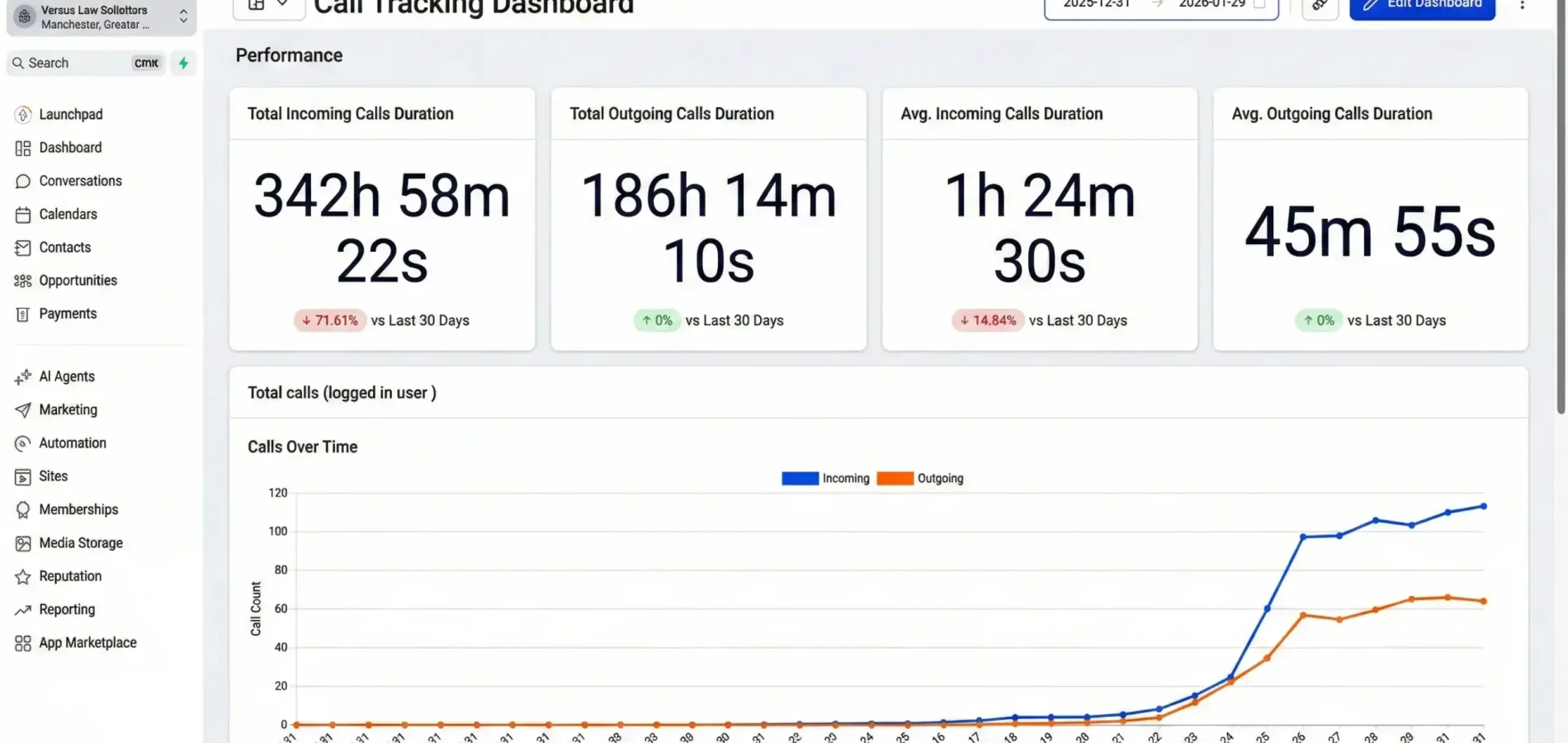
When calls are tracked consistently, performance can be reviewed and improved using real data rather than anecdotal feedback.
Connected Call History
Calls don’t exist in isolation. Seeing repeat calls, missed calls, and follow-ups together gives teams full context instead of fragmented information.
How Call Tracking Works in Practice
Call tracking runs quietly in the background, capturing call activity and turning it into usable information without changing how calls are handled.
Calls Are Captured as They Happen
When a call comes in, it is detected and logged automatically. There is no need for staff to start or stop tracking — the system records the call the moment it happens.
Context Is Attached to Each Call
Every call is connected to relevant context such as timing, source, and related activity, so conversations don’t exist in isolation.
Call Activity Becomes Visible
Captured calls appear in a clear activity view, allowing teams to see what’s happening now and review past conversations when needed.
Outcomes Shape Follow-Up
Calls that need action are easy to identify, while completed conversations stay documented, keeping follow-up consistent and intentional.
Bringing Clarity to Every Call
A clearer way to understand call activity, follow-up, and outcomes without changing how your team works.
How Teams Actually Use Call Data Day to Day
Call tracking isn’t just for reports — it’s used daily to manage conversations, prioritise follow-ups, and improve how calls are handled over time.
Calls as a Continuous Conversation
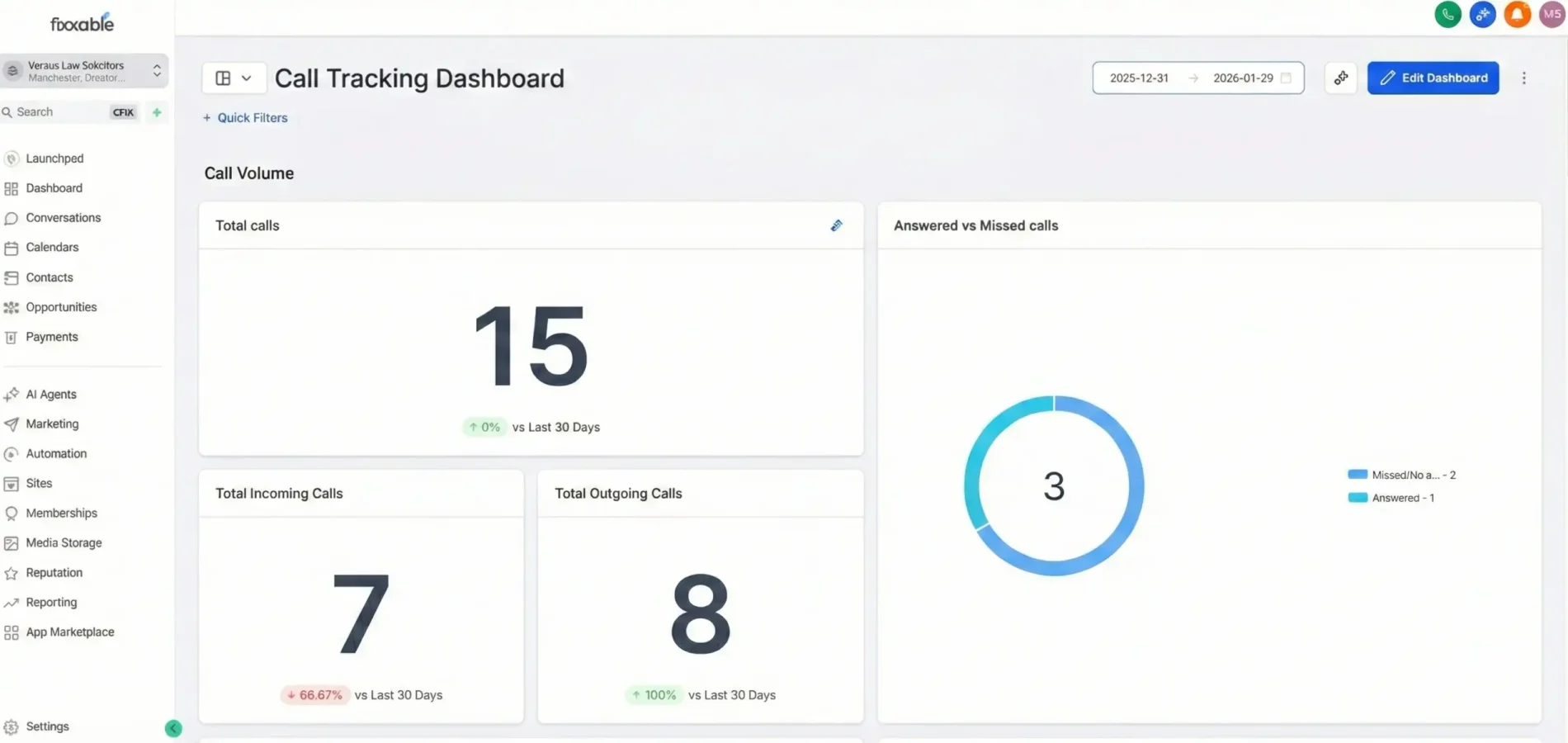
Fixxable shows calls as part of a timeline, not isolated events. Missed calls, answered calls, callbacks, and follow-ups are all connected, making it obvious what needs attention next and where conversations left off.
Reviewing How Conversations Are Handled
Teams can review call recordings to understand tone, clarity, and how enquiries are answered. This helps identify strengths, training opportunities, and consistency issues without relying on second-hand feedback.
Keeping Context Connected Over Time
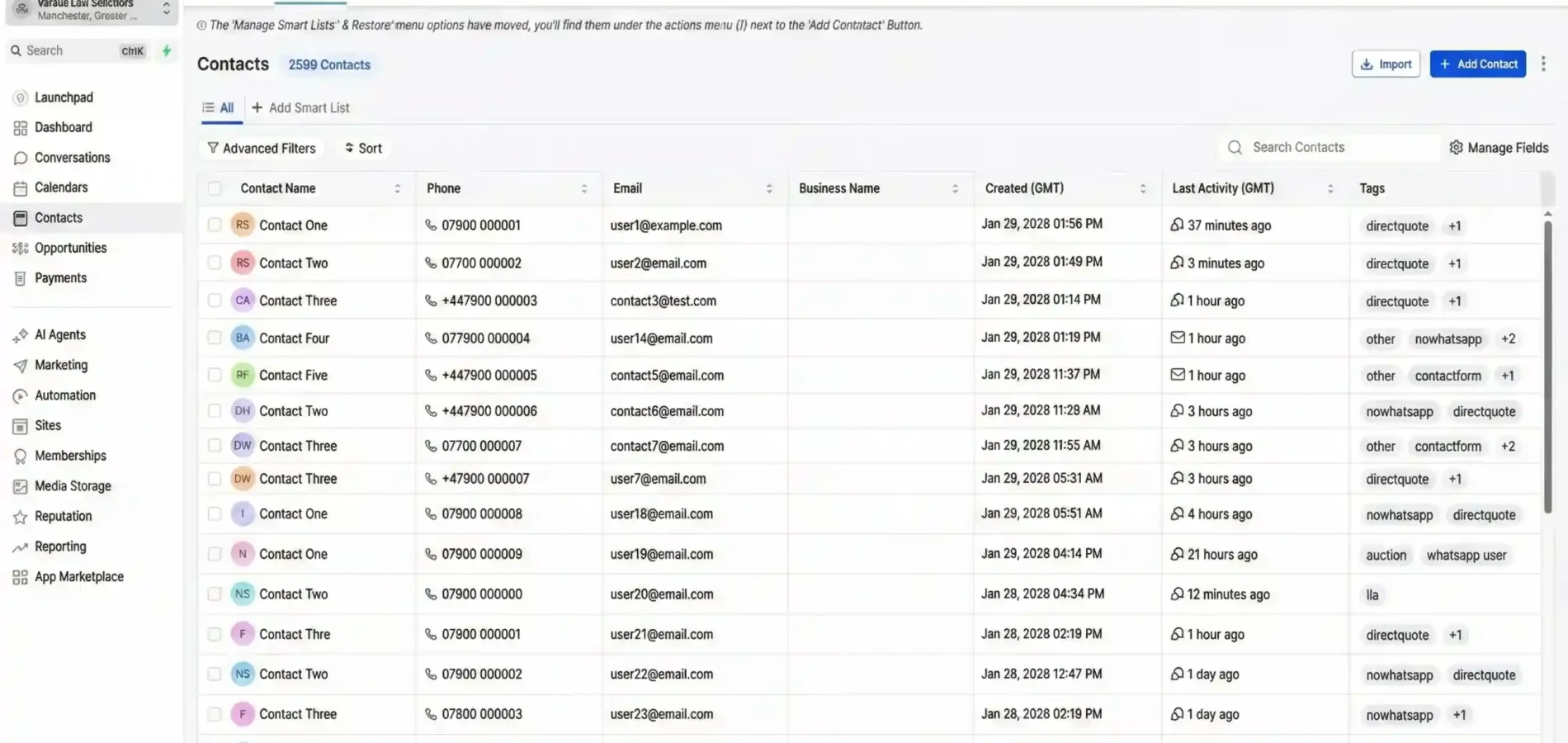
Repeat callers, missed calls, and follow-ups are grouped together automatically. This gives teams full context every time they engage — no fragmented notes, no guessing, no starting from scratch.
Knowing Exactly Why the Phone Rang
Every call is linked to its source — whether it came from a campaign, website page, ad, or referral. This replaces assumptions with clarity, helping teams understand what’s driving calls and which channels actually perform.
Separating Valuable Calls From Noise
Not every call has the same value. Fixxable marks calls by outcome, making it easy to prioritise serious enquiries over low-value, misdirected, or non-actionable calls.
Common Questions About Call Tracking
Does call tracking change how we answer calls?
No. Calls are handled the same way as they are now. Call tracking runs in the background and captures activity without interrupting conversations.
Can we see which calls actually convert?
Yes. Calls can be marked by outcome so teams can identify which conversations lead to real opportunities and which don’t.
Is call tracking useful for smaller teams?
Yes. Smaller teams often benefit the most because it removes reliance on memory and keeps follow-up consistent as call volume increases.
Can calls be reviewed later?
Yes. Calls remain visible after they end, making it easier to review conversations and improve handling over time.
Closing the Loop on Call Performance
Turn phone conversations into clear, measurable insight.