
Published on: March 30, 2026
From enquiry to invoice - how fixxable can automate your business
Fixxable automation is most useful when you stop thinking about automation as one isolated task and start looking at the whole business journey. Most service businesses do not lose time in one dramatic place. They lose it in small gaps between enquiry, reply, booking, follow-up, payment and invoicing. One message gets missed. One job is not confirmed quickly enough. One invoice goes out late. Taken together, those small delays affect cash flow, customer experience and how much work the team can handle.
That is why the real value of fixxable automation is not just that it can send a message automatically or trigger a reminder. It is that it can connect the whole process from the moment a lead comes in to the moment the invoice is paid. The research themes in your reference file all point in the same direction: businesses get the biggest gains when automation removes repetitive admin, reduces errors, speeds up response times and improves visibility across the full workflow, especially around invoicing and approvals.
For service-led businesses, that matters even more. A slow or fragmented workflow does not just waste internal time. It can cost real bookings, delay revenue and make the business feel less organised than it really is.
Why so many businesses still lose time between enquiry and invoice
Most businesses do not struggle because the team is lazy or the process is completely broken. The problem is usually that too much still depends on manual handovers.
An enquiry comes in through a form, social message or phone call. Someone has to reply. Then someone has to qualify the lead, schedule the call, confirm the booking, send reminders, update records, chase paperwork, request payment and finally issue the invoice. None of these tasks are especially difficult on their own, but together they create a long chain of repeat admin.
That is exactly where fixxable automation becomes valuable. Instead of asking the team to manually move each person from one stage to the next, the system can handle routine actions in the background. Leads can be captured and assigned, reminders can be sent automatically, bookings can be confirmed instantly, and invoices can be triggered when the work reaches the right stage.
The result is not just convenience. It is a more reliable business rhythm.
What fixxable automation actually means in practice
A lot of businesses hear the word automation and think of something cold or robotic. In practice, fixxable automation is really about removing the boring parts of the customer journey so the team can spend more time on the parts that need judgement, reassurance or expertise.
That usually includes things like:
capturing enquiries from multiple channels
triggering replies and follow-ups
booking appointments without back-and-forth emails
sending reminders to reduce no-shows
moving customers through a clear pipeline
generating invoices and payment requests at the right time
This is why the platform’s features page is such a natural internal link in this article. The value is not one single tool. It is the way the tools work together.
Start with the first bottleneck: lead capture and response
The first place many businesses lose momentum is right at the start. A customer enquires, but the response is slow or inconsistent. That creates friction before the relationship has even begun.
With fixxable automation, new leads can be captured from forms, landing pages and campaigns and routed into a structured pipeline immediately. Instead of waiting for someone to see the message and remember to reply, the system can send a prompt acknowledgement, assign the lead to the right person and trigger the next step.
That is where automated leads and bookings becomes one of the most useful secondary ideas in this article. If the first response is handled properly, the rest of the journey gets easier. A lead that enters the system cleanly is easier to qualify, easier to schedule and easier to convert.
The existing article on automate leads and bookings supports this part of the journey naturally because it sits directly on the front end of the same process this blog is describing.
Too much admin between the first enquiry and the final invoice?
When leads, bookings, follow-ups and invoicing all depend on manual work, delays start to build up quickly. A more connected workflow can help your business respond faster, stay organised and get paid sooner.
Turn faster replies into better bookings
Quick response matters because speed often shapes trust. If someone enquires and hears nothing for hours, or gets a vague manual reply with no obvious next step, the momentum drops. In busy service businesses, that can mean missed opportunities even when the team is good at the actual work.
This is one of the clearest operational benefits of fixxable automation. As soon as the enquiry arrives, the system can move the prospect into a guided path. That may mean sending a confirmation, offering a booking link, delivering the right information, or prompting an internal follow-up.
Instead of the business feeling slow and reactive, the customer sees a structured process. That alone can improve conversion without adding more pressure to staff.
Automated leads and bookings reduce admin where it matters most
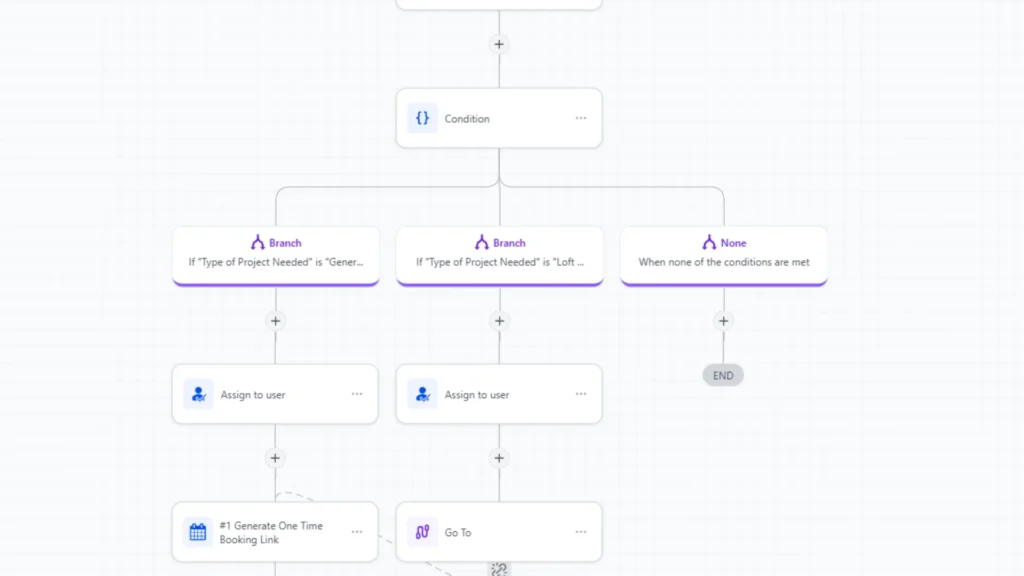
The phrase automated leads and bookings sounds simple, but the business impact can be large. Booking is one of the places where time disappears fastest. Confirmations, reminders, reschedules, missed calls and diary gaps can all create unnecessary admin.
With a connected workflow, the business can reduce a lot of that friction. A prospect can move from enquiry to scheduled call or booked job with fewer manual steps. Reminders can be sent automatically. Internal status updates can happen in the background. Teams can see where each customer is in the journey without chasing spreadsheets or inboxes.
That matters not only for sales teams but also for operations teams. A business runs better when the front end and back end are connected.
This is also where the industries page fits naturally, because not every business uses the same workflow in exactly the same way. A home service business, clinic, agency or local service provider may all need slightly different booking logic, but the principle stays the same: less chasing, fewer missed steps, more consistency.
The middle of the journey is where most businesses become messy
Many businesses are reasonably good at getting leads and reasonably good at doing the work. The weak point is what happens in the middle.
That middle stage often includes quoting, follow-up, scheduling, status updates, team handovers and customer reminders. Without a proper system, this is where things become inconsistent. Customers have to repeat themselves. Staff have to check different tools. Important messages are sent late or not at all.
Fixxable automation helps here by turning the middle of the journey into a managed process instead of a collection of manual habits. Once someone becomes an active customer, the system can continue to move them forward automatically. It can trigger the right message at the right stage, prompt action internally and keep the pipeline visible.
This matters because a business does not become more scalable simply by generating more leads. It becomes more scalable when it can move more people through the process without adding the same amount of admin every time.
From completed work to automated invoice processing
One of the strongest themes in your reference material is the value of automated invoice processing. The competitor examples all reinforce the same benefits: fewer errors, less repetitive work, faster turnaround, healthier cash flow and more consistent finance operations.
That links naturally to what this article is trying to say. The biggest operational mistake is treating invoicing as a separate finance task disconnected from the work that came before it. In reality, invoicing should feel like the next step in the same workflow.
With fixxable automation, the handover from job completion to payment request can be much cleaner. Instead of waiting for someone to remember what happened, gather the details and create the invoice later, the system can help trigger the next step automatically once the customer reaches the right stage.
That does not just save time. It reduces the lag between doing the work and getting paid for it.
Why automated invoice processing improves cash flow as well as efficiency
Late invoicing creates a hidden cash-flow problem. A business may be busy, but if invoices are not generated and sent promptly, revenue sits in limbo. That is why automated invoice processing matters so much. It is not only about admin efficiency. It is about shortening the distance between completed work and collected payment.
This is one of the clearest operational advantages of fixxable automation. Customer details, booking history and job status can already exist inside the same workflow. That means the invoicing stage does not need to begin from scratch. The business can keep momentum from service delivery into billing instead of creating another manual bottleneck.
The reference material repeatedly points out that automation improves speed, reduces errors and gives teams better visibility into the status of invoices and payments. That same logic applies here. A more connected workflow creates a more predictable business.
Better visibility means fewer missed steps
A business feels more controllable when the team can actually see what is happening. That is another reason fixxable automation works well across the full journey.
Instead of checking separate tools for leads, messages, bookings and invoices, the business can work from one clearer process. That makes it easier to answer simple but important questions:
Who has enquired but not booked?
Who booked but has not confirmed?
Which jobs are complete but not invoiced?
Which invoices are pending payment?
When those answers are visible, the business becomes easier to manage. Visibility is not just a reporting feature. It is one of the reasons automation produces better decisions.
Why this matters across different types of business
The exact workflow may differ, but the pattern is common across many service businesses. Whether the business books appointments, schedules field work, handles consultations or manages local services, the same weak points tend to appear between first contact and final payment.
That is why fixxable automation should be understood as a business workflow tool, not just a messaging tool. It supports the full journey, and that is what makes it commercially useful.
This is also why the demo page belongs naturally in the article. Once readers understand the lead-to-invoice flow, a working example becomes more persuasive than a generic description. It lets them see the process in action rather than imagine it.
From enquiry to invoice should feel like one connected system
The biggest takeaway from this topic is simple: the business runs better when enquiry, booking, follow-up and invoicing are treated as one connected journey.
If those stages are separated, teams end up doing more admin, customers get a slower experience and revenue takes longer to arrive. If those stages are connected through fixxable automation, the business becomes easier to run and easier to grow.
That is the real value of the platform. It is not that one single step is automated. It is that the entire customer journey becomes more consistent.
Final thought
Businesses rarely need more admin. They need fewer gaps between actions. That is why fixxable automation is most powerful when it supports the whole workflow, from first enquiry to final invoice.
For readers who want to explore that in more detail, the natural journey is to look at the features, see how it works across different industries, and then view the demo for a clearer picture of the workflow in practice. A softer next step for businesses that want a more direct conversation is the contact page.
See how fixxable can automate the journey from enquiry to invoice
Fixxable helps businesses capture enquiries, automate follow-ups, confirm bookings, manage customer journeys and keep invoicing moving without the usual manual bottlenecks. Instead of relying on scattered admin, your team can work from a more connected process that saves time and supports faster payments.